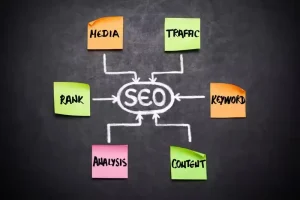

Modern digital marketing is no longer simply about publishing large amounts of content and hoping audiences discover it online. Today’s search engines and users expect content that is:
- organized
- relevant
- helpful
- personalized
- easy to navigate
- strategically connected
As websites continue growing in size and competition becomes more intense, businesses increasingly rely on content mapping strategies to improve:
- SEO performance
- user experience
- engagement
- conversions
- content organization
Content mapping is the process of strategically planning and organizing content based on:
- audience needs
- search intent
- customer journeys
- keywords
- business goals
Instead of creating disconnected articles randomly, businesses now aim to build structured content ecosystems where every page serves a specific purpose within a broader strategy.
Search engines such as Google increasingly prioritize websites that demonstrate:
- topical authority
- strong structure
- relevant internal linking
- high-quality user experience
This means content strategy now requires much more than keyword stuffing or publishing frequent blog posts. Websites must guide users effectively through:
- information
- navigation
- decision-making
- conversion paths
Content mapping helps achieve this by aligning content with both:
- user intent
- SEO objectives
Modern users also behave differently online compared to previous years. People now expect fast and personalized digital experiences where information feels:
- accessible
- relevant
- easy to understand
If visitors cannot quickly find useful information, they often leave websites immediately. Content mapping helps reduce this problem by improving:
- content organization
- navigation flow
- topic structure
- page relationships
Businesses also use content mapping to support different stages of the customer journey. Potential customers often move through phases such as:
- awareness
- consideration
- decision-making
- retention
Different types of content serve different stages. Educational blog posts may attract new visitors, while comparison pages or case studies help users make purchasing decisions.
Content mapping therefore helps businesses create more intentional and strategic digital experiences.
Another major reason content mapping became important is the rise of large-scale content production. Many companies now publish:
- blogs
- landing pages
- guides
- videos
- product pages
- email campaigns
Without proper structure, content may become:
- repetitive
- confusing
- poorly optimized
- difficult to navigate
A strong content map helps maintain:
- consistency
- organization
- keyword targeting
- content relevance
Technology and SEO tools also transformed content planning significantly. Platforms such as Ahrefs and SEMrush help marketers analyze:
- keywords
- competitor content
- search trends
- backlink profiles
- topic opportunities
This data allows businesses to create smarter and more strategic content structures.
Content mapping also supports conversion optimization. Well-structured content guides users toward:
- signups
- purchases
- inquiries
- downloads
- subscriptions
by connecting information logically throughout the website experience.
Importantly, successful content mapping is not only about search engines. The best strategies balance:
- SEO performance
- readability
- usability
- audience value
- content quality
Search algorithms increasingly reward websites that genuinely help users instead of simply targeting keywords aggressively.
Content mapping is also highly valuable for long-term scalability. As businesses grow, organized content structures make it easier to:
- update information
- expand topic coverage
- improve internal linking
- maintain consistency
Understanding content mapping strategy therefore involves more than SEO alone. It includes understanding:
- audience behavior
- digital psychology
- search intent
- website structure
- conversion strategy
- information architecture
In this comprehensive guide, you will explore how content mapping works, why it matters for SEO and user experience, and how businesses can strategically plan, structure, and optimize content for long-term digital success.
What Is Content Mapping?
Content mapping is the process of organizing and planning content strategically based on:
- audience needs
- customer journeys
- search intent
- business goals
The goal is to ensure every piece of content serves a specific purpose.
Content mapping helps businesses:
- improve navigation
- target keywords effectively
- guide users logically
- strengthen SEO structure
Well-organized content creates better experiences for both users and search engines.
Why Content Mapping Matters
Without proper planning, websites often become:
- disorganized
- repetitive
- confusing
Poor content structure may hurt:
- rankings
- engagement
- conversions
- user satisfaction
Content mapping improves:
- clarity
- organization
- strategy
- discoverability
Modern SEO increasingly rewards websites with strong topical organization and user experience.
Understanding Search Intent
Search intent refers to the reason behind a user’s search query.
Users may search for:
- information
- products
- comparisons
- solutions
- services
Content should match the user’s actual goal.
For example:
- educational blogs target informational intent
- product pages target transactional intent
- comparison articles support decision-making
Understanding intent improves both SEO performance and user satisfaction.
Customer Journey and Content
Content mapping often aligns with different customer journey stages.
Common stages include:
- awareness
- consideration
- decision
- retention
Different content types support different phases.
Examples include:
- blog posts for awareness
- case studies for consideration
- landing pages for conversions
- tutorials for retention
Strategic mapping helps guide users naturally through these stages.
SEO and Content Structure
Search engines such as Google increasingly prioritize:
- organization
- relevance
- topical authority
- internal linking
Content mapping improves SEO by creating:
- structured topic clusters
- logical hierarchies
- connected pages
Strong structure helps search engines understand website relevance more effectively.
Topic Clusters and Pillar Content
Topic clusters became highly important in modern SEO strategy.
A pillar page covers a broad topic, while supporting articles explore:
- subtopics
- related questions
- deeper information
For example:
- a pillar page about SEO
- supporting articles about keywords, backlinks, and technical SEO
This structure improves:
- authority
- navigation
- keyword coverage
Topic clusters help websites rank more effectively for broader subjects.
Keyword Targeting and Mapping
Content mapping helps businesses organize keyword strategies more intelligently.
Instead of targeting the same keywords repeatedly, companies assign:
- primary keywords
- secondary keywords
- search intent
to specific pages.
This reduces:
- keyword cannibalization
- duplication
- ranking confusion
Strategic keyword mapping improves content efficiency and SEO clarity.
Internal Linking Strategy
Internal linking is a major part of content mapping.
Links help users:
- navigate websites
- discover related information
- continue exploring content
Internal links also help search engines understand:
- page relationships
- content hierarchy
- topic relevance
Strong linking structures improve:
- engagement
- indexing
- SEO performance
User Experience and Navigation
Modern users expect websites that feel:
- intuitive
- fast
- organized
- easy to navigate
Poor organization often increases:
- bounce rates
- frustration
- abandonment
Content mapping improves user experience by helping visitors find relevant information quickly and logically.
Better navigation usually increases:
- engagement
- trust
- conversion potential
Content Audits and Organization
Many businesses perform content audits before creating mapping strategies.
Audits help identify:
- outdated content
- duplicate pages
- weak performance
- keyword gaps
Content audits improve overall organization and optimization opportunities.
Understanding existing content helps businesses plan future strategies more effectively.
Why Topical Authority Matters
Topical authority refers to how strongly a website demonstrates expertise in a subject area.
Search engines increasingly reward websites with:
- comprehensive coverage
- interconnected content
- relevant expertise
Content mapping helps businesses build authority gradually across important topics.
Authority improves:
- rankings
- trust
- visibility
over time.
Content Mapping for Conversion Optimization
Content mapping also supports conversions by guiding users toward:
- signups
- purchases
- inquiries
- downloads
Well-structured content creates smoother customer journeys.
Strategic calls-to-action help users move naturally toward business goals.
Conversion-focused mapping balances:
- information
- usability
- persuasion
effectively.
The Role of Analytics
Analytics help businesses understand:
- user behavior
- engagement patterns
- conversion rates
- traffic sources
Data helps identify:
- high-performing content
- weak pages
- navigation problems
Modern content strategies increasingly rely on data-driven decision-making.
Analytics improve optimization accuracy significantly.
SEO Tools and Content Planning
Platforms such as Ahrefs and SEMrush help marketers:
- analyze competitors
- research keywords
- monitor rankings
- identify opportunities
These tools support smarter content planning and optimization.
Technology improved SEO strategy precision dramatically.
Avoiding Duplicate Content
Poor content organization may create duplicate or overlapping pages.
Duplicate content can confuse:
- users
- search engines
Content mapping helps businesses avoid publishing repetitive material by organizing:
- topics
- keywords
- intent
more strategically.
Clear structure improves both usability and SEO performance.
The Importance of Consistency
Consistent content structure improves:
- branding
- readability
- professionalism
Consistency may involve:
- formatting
- tone
- navigation
- visual hierarchy
Users often trust websites more when experiences feel organized and predictable.
Consistency strengthens digital identity.
Mobile Experience and Content Mapping
Modern audiences increasingly browse websites through mobile devices.
Content mapping should support:
- responsive design
- fast loading
- simple navigation
- mobile readability
Poor mobile organization may reduce:
- engagement
- conversions
- rankings
Mobile optimization became essential for SEO success.
Content Personalization
Modern content strategies increasingly focus on personalization.
Businesses may create content tailored to:
- audience segments
- user interests
- behavior patterns
Personalized experiences often improve:
- engagement
- relevance
- retention
Content mapping helps organize personalized customer journeys more effectively.
Content Gaps and Opportunity Analysis
Content mapping helps businesses identify:
- missing topics
- unanswered questions
- underserved keywords
Gap analysis reveals opportunities for:
- new blog posts
- landing pages
- educational resources
Strong coverage improves competitiveness and topical authority.
Why Simplicity Matters
Overcomplicated websites may overwhelm users.
Simple and organized content structures usually improve:
- readability
- navigation
- engagement
Content mapping helps businesses reduce:
- clutter
- confusion
- unnecessary complexity
Clear organization often performs better than excessive information overload.
Content Refreshing and Updating
SEO is not static.
Businesses must regularly:
- update outdated pages
- improve weak content
- refresh statistics
- optimize structure
Content mapping makes long-term maintenance easier by improving organizational clarity.
Fresh content often performs better in search results.
Storytelling and Content Flow
Strong content mapping also improves storytelling.
Users should move naturally between:
- topics
- pages
- learning stages
Logical flow helps visitors:
- stay engaged
- understand information
- continue exploring
Narrative structure improves digital user experience significantly.
Common Content Mapping Mistakes
Some businesses struggle because they:
- target too many keywords on one page
- publish disconnected content
- ignore user intent
- create weak internal linking
These mistakes may reduce:
- rankings
- usability
- conversions
Strategic planning helps avoid these problems.
Team Collaboration in Content Strategy
Content mapping often involves collaboration between:
- SEO specialists
- writers
- designers
- marketers
- developers
Cross-functional teamwork improves:
- consistency
- optimization
- strategic alignment
Collaboration helps businesses create stronger and more cohesive digital experiences.
The Future of Content Mapping
Future content mapping will likely involve greater use of:
- artificial intelligence
- predictive analytics
- personalization
- behavioral analysis
However, user-focused organization and quality will remain essential.
Search engines increasingly prioritize:
- relevance
- expertise
- helpfulness
- experience
Businesses that focus on user value will likely remain more competitive long term.
Why Content Mapping Supports Long-Term Growth
Organized content structures make it easier to:
- scale websites
- maintain consistency
- expand topic coverage
- improve SEO performance
Long-term growth requires strategic planning rather than random content production.
Content mapping supports sustainable digital success over time.
Conclusion
Content mapping became one of the most important modern digital marketing strategies because successful websites now depend heavily on:
- organization
- relevance
- search intent alignment
- user experience
- strategic structure
Instead of publishing disconnected content randomly, businesses increasingly use content mapping to create structured ecosystems where every page supports:
- SEO goals
- customer journeys
- conversions
- topical authority
Search engines such as Google increasingly reward websites that demonstrate:
- expertise
- strong internal linking
- logical organization
- helpful user experiences
while users expect digital experiences that feel:
- intuitive
- personalized
- easy to navigate
Content mapping helps satisfy both requirements simultaneously.
Modern tools such as Ahrefs and SEMrush also transformed how businesses analyze keywords, competitors, and topic opportunities, making strategic content planning more data-driven than ever before.
Importantly, successful content mapping is not only about rankings. The best strategies balance:
- SEO optimization
- readability
- usability
- audience value
- conversion strategy
to create meaningful digital experiences that genuinely help users.
Ultimately, content mapping supports long-term growth by helping businesses build websites that are:
- organized
- scalable
- user-focused
- authoritative
- conversion-friendly
In today’s competitive digital environment, strong content mapping strategies are essential for improving visibility, engagement, and sustainable online success.