
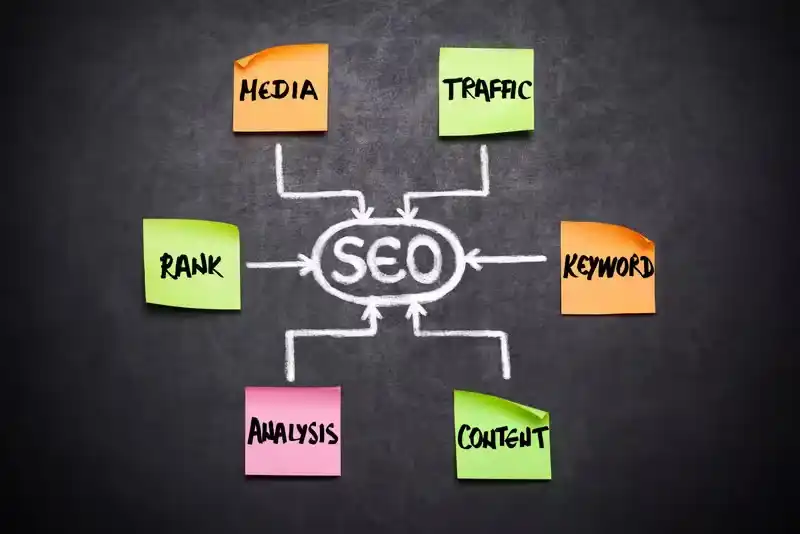
SEO is no longer about publishing random articles and hoping for rankings. Search engines now evaluate structure, relevance, and topical depth. This is where content mapping in SEO becomes essential. It transforms scattered content into a clear system that search engines and users can easily understand.
Instead of treating each page as an isolated asset, content mapping connects them into a strategic ecosystem. Every page has a purpose, a place, and a relationship with other pages. This improves visibility, strengthens authority, and creates a smoother user journey.
In simple terms, content mapping in SEO is the process of organizing content based on search intent, keyword relationships, and business goals. It ensures that every piece of content supports a bigger SEO strategy instead of competing with it.
Understanding content mapping in SEO
Content mapping in SEO refers to the structured planning of content around topics, keywords, and user intent. It is not just about grouping keywords. It is about building a logical framework where each page serves a specific role.
At its core, it connects three elements. First, what users are searching for. Second, how search engines interpret topics. Third, what a business wants to achieve through organic traffic.
When done correctly, content mapping creates clarity. It prevents duplication, reduces keyword cannibalization, and ensures that every page targets a distinct purpose.
Unlike traditional keyword lists, content mapping focuses on relationships. It asks how topics connect, how users move between pages, and how authority flows through a website.
The role of search intent in content mapping
Search intent is the foundation of effective content mapping. Without understanding intent, even well-researched keywords fail to perform.
Informational, navigational, and transactional intent
Every search query has a purpose. Informational intent means users are looking for knowledge. Navigational intent means they are searching for a specific brand or page. Transactional intent means they are ready to take action, such as buying or signing up.
Content mapping in SEO ensures that each intent type is matched with the right content format. For example, blog posts usually target informational intent, while landing pages focus on transactional intent.
If intent is ignored, content may rank temporarily but fail to engage users. This leads to high bounce rates and weak conversions.
Matching content depth to intent
Different intents require different levels of detail. Informational content often needs depth and explanation. Transactional content needs clarity and persuasion.
A strong content map ensures that depth aligns with intent. A user searching for basic information should not be overwhelmed with sales messaging. Similarly, a user ready to buy should not be stuck in generic educational content.
This alignment improves both ranking performance and user satisfaction.
How content mapping supports SEO structure
Search engines rely heavily on structure to understand websites. Content mapping helps create that structure.
When pages are organized into clusters and categories, search engines can easily identify topical authority. This improves indexing and ranking potential.
Internal linking is a key part of this structure. It connects related pages and distributes authority across the site. Without mapping, internal links often become random and ineffective.
A well-planned structure also improves crawlability. Search engines can navigate the website more efficiently, ensuring that important pages are discovered and ranked faster.
Key components of an effective content map
Core topics and pillar pages
Pillar pages are the foundation of content mapping in SEO. They cover broad topics and act as central hubs for related content.
These pages target high-level keywords and establish authority. For example, a pillar page on digital marketing might link to detailed articles on SEO, content marketing, and social media.
Pillar pages help organize content and signal topical expertise to search engines.
Supporting content and subtopics
Supporting content builds depth around pillar pages. These are detailed articles that focus on specific aspects of a broader topic.
They target long-tail keywords and answer specific user questions. When linked properly, they strengthen the authority of the pillar page.
This structure avoids duplication and ensures that each page has a unique focus.
Keyword distribution strategy
Keyword placement plays a critical role in content mapping. Instead of assigning random keywords to pages, they are grouped based on relevance and funnel stage.
Top-of-funnel keywords go to informational content. Middle-of-funnel keywords support comparison and consideration. Bottom-of-funnel keywords target conversion-focused pages.
This distribution ensures that content supports the entire user journey.
Benefits of content mapping in SEO
Improved rankings and topical authority
Search engines reward websites that demonstrate depth and structure. Content mapping helps build topical authority by connecting related content under clear themes.
This increases the chances of ranking for multiple keywords within the same topic cluster.
Over time, this creates a compounding SEO effect where authority builds naturally.
Better user experience and navigation
Users benefit from clear structure. When content is logically organized, they can find answers faster and explore related topics easily.
This reduces frustration and increases engagement. A structured site keeps users longer and encourages deeper interaction.
Higher conversion potential
Content mapping guides users through a structured journey. From awareness to decision, each stage is supported with relevant content.
This increases the likelihood of conversions because users receive the right information at the right time.
Common mistakes in content mapping
Overlapping topics and keyword cannibalization
One of the biggest mistakes is creating multiple pages targeting the same keyword. This leads to internal competition and weak rankings.
Without mapping, content often overlaps and confuses search engines.
Ignoring search intent alignment
Another common issue is misaligned intent. Content may target the right keyword but fail to match what users actually want.
This reduces engagement and weakens SEO performance.
Weak internal linking structure
Internal linking is often overlooked. Without proper links, content remains isolated.
This prevents authority from flowing across the site and reduces ranking potential.
Step-by-step process of creating a content map
Conducting keyword and topic research
The process begins with identifying keywords and topics. This includes both short-tail and long-tail variations.
Understanding competitor structures also helps identify gaps and opportunities.
Grouping topics into clusters
Next, keywords are grouped into logical clusters. Each cluster represents a topic area.
This helps define relationships between pages and prevents duplication.
Designing pillar and cluster architecture
Once clusters are defined, pillar pages and supporting content are assigned. This creates a clear hierarchy.
Pillar pages act as anchors while cluster content provides depth.
Assigning content formats
Different formats serve different purposes. Blogs, guides, landing pages, and comparison articles all play unique roles.
Matching format to intent improves both engagement and SEO performance.
Tools used for content mapping in SEO
SEO tools help identify keyword relationships and search volume. They also reveal competitor strategies and content gaps.
Mind mapping tools are useful for visualizing structure. They help teams understand how content connects.
Editorial calendars ensure that content mapping is executed consistently over time.
Content mapping and user journey optimization
Content mapping aligns directly with the user journey. Users move from awareness to consideration to decision.
A structured map ensures that each stage has relevant content. This reduces friction and improves conversion flow.
It also allows personalization at scale. Different users can enter the site at different points and still follow a logical path.
Content mapping for large websites
Large websites face unique challenges. Without structure, content becomes chaotic and difficult to manage.
Content mapping prevents overlap and ensures scalability. It provides a framework for adding new content without breaking structure.
Governance is also important. Regular audits help maintain clarity and consistency across large content libraries.
Future of content mapping in SEO
Content mapping is evolving with AI and semantic search. Search engines now understand topics and entities, not just keywords.
AI tools can help automate clustering and identify content relationships more accurately.
The future of SEO will focus more on intent-based and entity-based mapping rather than simple keyword grouping.
Conclusion
Content mapping in SEO is a foundational strategy for modern digital visibility. It transforms scattered content into a structured system that supports both users and search engines.
When implemented correctly, it improves rankings, strengthens authority, and enhances user experience. It also reduces common SEO issues like keyword cannibalization and weak internal linking.
Most importantly, it creates a long-term advantage. Instead of chasing individual keywords, businesses build entire topic ecosystems that grow organically over time.
In a competitive SEO landscape, content mapping is not optional. It is a strategic necessity for sustainable growth.